
Free · 26 illustrated lessons · No sign-up
Product judgment, one illustrated story at a time.
Each lesson is a real product decision told as a short story. Halfway through, you make the call.




I'll ask the users. A few hundred responses will tell us what's broken.
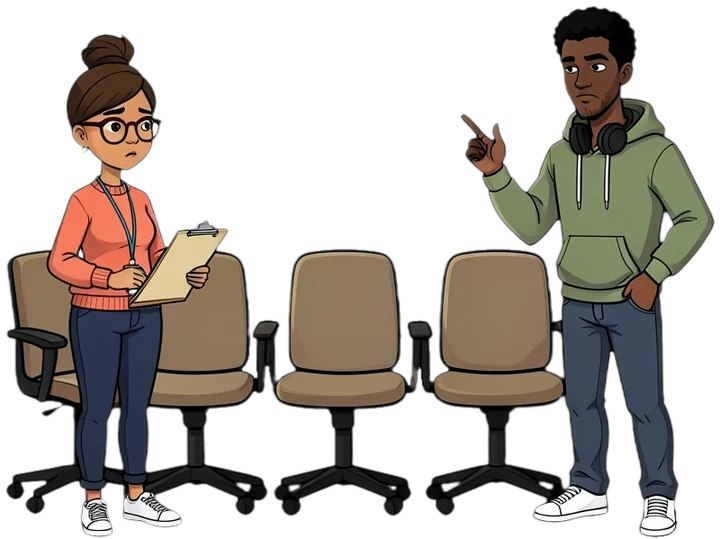


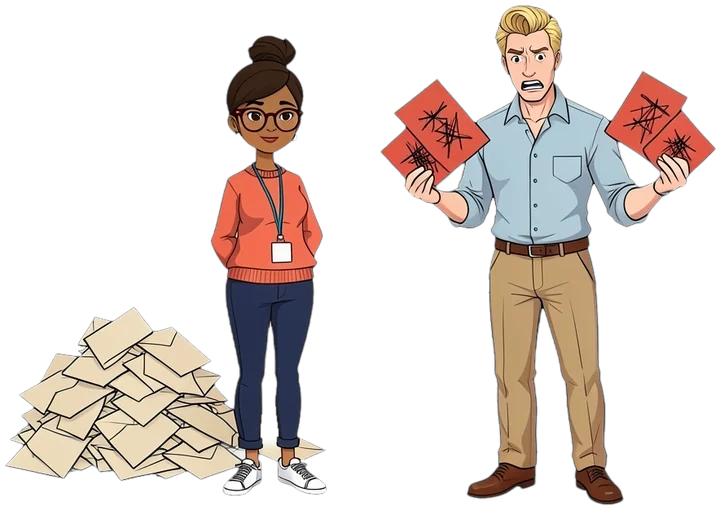

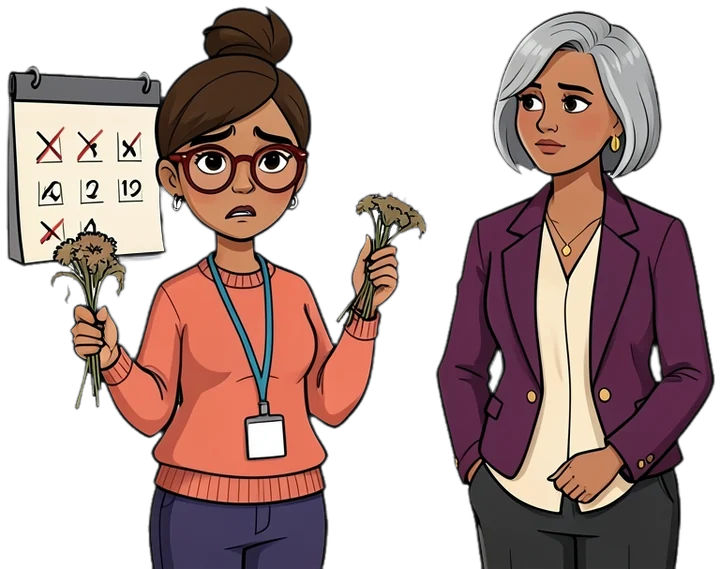
Read the story. Then make the call.
Every lesson follows the same shape, so your attention goes to the decision, not the format. A Judgment meter follows the story; your call moves it +8 or -4.
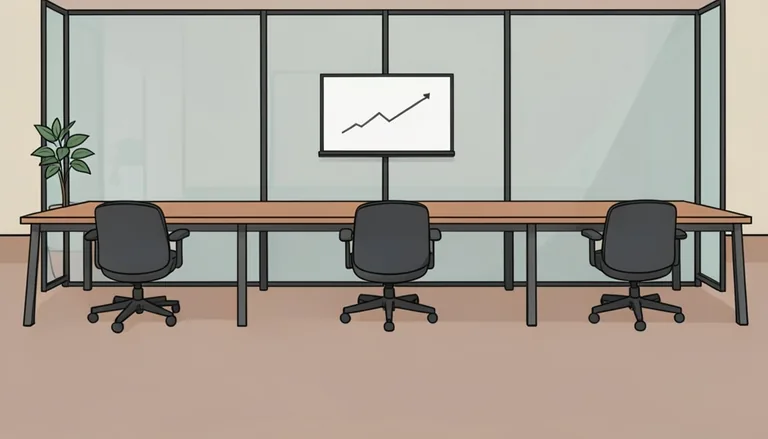


Churn is up four points. Priya needs to know why before the board asks.
A product problem, told in illustrated scenes with the same four people.


412 responses. Average score 4.6. Top request: bulk export.
The obvious read looks right. It usually isn’t.
Commit to an answer before you’re told. Then see what happened, and the principle behind it.
Same office. Same four people.
The cast carries across every lesson, so you learn the room as well as the idea. Click anyone to see their other reactions.
Nine volumes, one curriculum.
From how people think, to how products grow, to how companies win. The volumes with lessons are open now; the rest are being written.
Questions
What is The Product Manager’s Codex?
A free product management curriculum in which every lesson is a short illustrated story. A situation is set up, the evidence complicates it, and partway through you make the call yourself. Then the story shows what actually happened and names the principle behind it.
Is it free, and do I need an account?
Every published lesson is free to read and no account is required. There is no paywall, no sign-up wall and no email gate; a lesson opens straight from a link.
Who is it for?
Anyone making product decisions: new product managers, engineers and designers moving into product, and experienced PMs who want the underlying judgment named rather than frameworks recited. Lessons are graded from Foundations through to Practitioner.
What does a lesson actually teach?
One transferable idea, arrived at through a decision rather than stated up front: survivorship bias, jobs to be done, opportunity cost and so on. You commit to a call before you are told, which is what makes the idea stick.
How long does a lesson take?
About five minutes. Lessons stand alone, so read them in any order, and your place in one is remembered if you leave partway.
Who writes it?
Pavan Chaudhari, a product manager. The curriculum is written by hand, lesson by lesson; the illustrations are made once and reused, which is why the same four people recur throughout.
6 minutes. One real decision. Yours to make.
Start with the lesson most readers begin with.